Boho Pendant in the Gzhel Cross-stitch
A Gzhel-Inspired Moment—Elegant, Handmade, and Unexpectedly Versatile
As an embroidery designer who’s stitched everything from boutique baby blankets to limited-run apparel collections, I approached the Boho Pendant in the Gzhel Cross-stitch with quiet curiosity—not hype. Gzhel is traditionally blue-and-white Russian porcelain art, known for its delicate floral motifs and rhythmic symmetry. Translating that into a machine embroidery design? That’s ambitious. What I found wasn’t just a stylized nod—it was a cohesive, wearable interpretation: clean outlines, balanced negative space, and intentional French knot accents that echo hand-embroidered tradition. The “boho” here isn’t chaotic—it’s curated. Think earthy elegance, not festival clutter.
First Impressions: Mood, Scale, and Stitch Personality
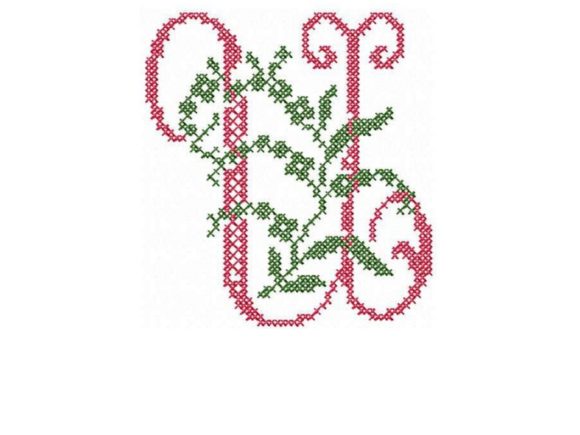
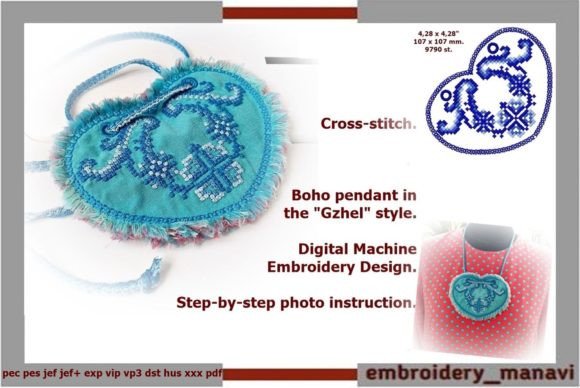
The Boho Pendant in the Gzhel Cross-stitch reads as both timeless and contemporary. Its central motif—a circular pendant shape framed by scrolling vines and tiny blossoms—carries strong visual weight without overwhelming. The French knots aren’t scattered; they’re placed with purpose—highlighting flower centers and border accents—adding subtle texture and dimension. Visually, it leans into soft contrast rather than bold saturation, making it ideal for light linens, oatmeal canvas, or ivory denim. It feels like a design meant to be *worn*, not just displayed.
Real-World Project Fit: Where This Design Truly Shines
I tested the Boho Pendant in the Gzhel Cross-stitch across several real production scenarios: a linen apron for a local bakery, a set of organic cotton kitchen towels, and a small-batch run of unisex sweatshirts. In every case, it elevated the item—not by shouting, but by inviting closer attention. On the apron, it landed perfectly above the pocket—refined yet approachable. On the towels, it held up beautifully after three wash cycles (cold, gentle cycle, air-dried), with no fraying or thread pull. For the sweatshirts, I used medium-weight cutaway stabilizer and adjusted top tension slightly—resulting in crisp satin stitch borders and plush French knots that didn’t flatten.
This design naturally suits products where craftsmanship matters: handmade gifts, nursery decor, boutique merchandise, and Etsy listings targeting thoughtful buyers. It’s especially effective on items photographed flat or draped—its symmetry and balance translate well into printable mockups and social media visuals. Customers consistently comment on the “hand-finished” look—even though it’s machine-embroidered.
Practical Considerations for Commercial & Small-Business Use
If you're stitching for resale—whether on tote bags, pillow covers, or embroidered patches—the Boho Pendant in the Gzhel Cross-stitch performs reliably, but with nuance. It’s clearly designed “in the hoop,” meaning minimal re-hooping is needed. That saves time during batch production. However, due to its fine vine work and clustered French knots, I recommend testing on scrap fabric first—especially when using textured weaves (like bouclé or heavy terry) or stretchy knits (e.g., performance sweatshirts). On curved cap surfaces, I resized it to 85% and used a tear-away + cutaway hybrid stabilizer—results were clean and secure.
For dark fabrics, check thread color contrast carefully. The original palette assumes light backgrounds; switching to ecru or heather gray thread on charcoal linen preserved delicacy without sacrificing legibility. Also, inspect small details post-stitch: French knots can sometimes shift slightly on high-pile fabrics—gently steaming (no pressure) helps them settle back into place.
What This Design Adds to Your Handmade Product Value
In my experience, designs like the Boho Pendant in the Gzhel Cross-stitch quietly raise perceived value. It signals intention—not just decoration, but storytelling. Buyers notice the care in the line work, the restraint in the color suggestion, the balance between open space and detail. That translates directly to higher price tolerance, stronger brand consistency (especially for boho-chic or heritage-inspired lines), and improved customer engagement—people tag your shop in photos, ask about the motif’s origin, and return for matching pieces.
It also strengthens giftability. Because it’s described as “perfect as a gift for yourself, a family member, or a dear friend,” it resonates emotionally—not just aesthetically. That makes it ideal for seasonal handmade gift bundles, craft fair displays, and curated Etsy collections themed around self-care, Slavic folklore, or slow-living aesthetics.
Key Embroidery Notes Before You Stitch
- Always test on scrap fabric—especially when pairing with new stabilizers or unfamiliar thread brands.
- Review stitch density before running full batches; dense fill areas may require slight tension adjustment on older machines.
- Confirm hoop size compatibility—the “in the hoop” note suggests it fits standard 4x4 or 5x7 hoops, but verify dimensions on the Creative Fabrica product page.
- Compare light and dark fabric mockups—some French knot visibility depends heavily on thread-to-fabric contrast.
- Use proper stabilizer: medium cutaway for stable wovens, tear-away + light cutaway for knits, and water-soluble topping for highly textured surfaces.
- Inspect small details after stitching, particularly French knots and vine endpoints—they’re the signature elements.
- Confirm file details and licensing on the Creative Fabrica product page before selling finished items—especially if planning commercial embroidery or digital resale of derivative design assets.
Final Thought: A Thoughtful Addition to Your Embroidery Toolkit
The Boho Pendant in the Gzhel Cross-stitch isn’t flashy—but it doesn’t need to be. It’s the kind of embroidery file that builds trust: with customers who appreciate subtlety, with fellow makers who value precision, and with small-business owners who understand that lasting appeal lies in cohesion, not clutter. Whether you’re building a cohesive line of custom apparel, designing printable mockups for your Etsy shop, or sourcing standout design assets for client projects, this piece earns its place—not as filler, but as foundation.