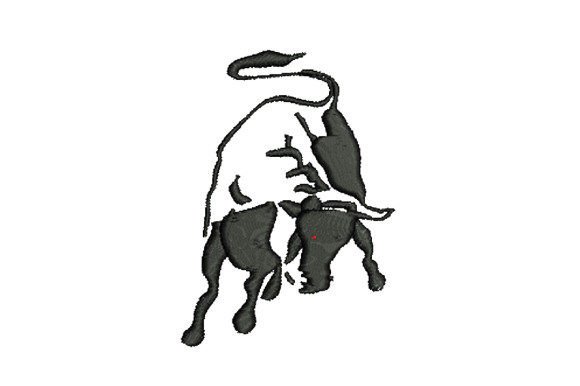
Black Bison Embroidery Design Review
First Impression: Bold, Fierce, and Instantly Recognizable
As an embroidery designer who’s digitized over 2,000 logos for small businesses—from neighborhood bakeries to indie florists—I immediately responded to Black Bison: it’s not just a wild animal motif—it’s a statement. The description—“a black bull preparing to crash, with red eyes that feel majestic and fierce”—tells me this isn’t decorative fluff. It reads as confident, grounded, and quietly powerful. For a café owner wanting a logo that says “we’re rooted, reliable, and full of energy,” or a pet brand leaning into strength and loyalty, Black Bison lands with presence—not cuteness, not cliché, but character.
Business-Ready Versatility Across Merchandise Types
Black Bison shines where many animal motifs falter: in context. As an embroidered patch on a denim apron? It reads artisanal and durable—perfect for a handmade soap studio or craft brewery. On the front of a structured cap? Its silhouette holds up without visual clutter, especially when stitched with high-contrast thread (think matte black fabric + vibrant red eye accents). On a cotton tote bag used for customer gifts? It scales well at 3–4 inches wide and retains its impact without excessive stitch density—critical for keeping production costs low and turnaround fast.
For staff uniforms—especially in food service or retail—Black Bison works beautifully as a left-chest accent. Its compact shape avoids overwhelming the garment, while the black body ensures legibility against light or mid-tone fabrics. As a sleeve detail on work shirts or jackets, it adds subtle brand reinforcement without competing with safety or functional elements. Even on product packaging—say, a sewn-on patch affixed to a gift box for a local florist or boutique—the design feels intentional, premium, and tactile—not generic.
Where to Use Black Bison Thoughtfully
Like any strong machine embroidery design, Black Bison demands thoughtful placement. Avoid shrinking it below 1.75 inches tall: the red eyes risk bleeding or losing definition on dense fabric like twill or canvas. Cap fronts with steep curvature require careful digitizing adjustments—so if you’re sourcing a digital embroidery file, confirm it includes underlay and pull compensation for rounded surfaces. On dark uniforms (navy, charcoal, deep green), test the red thread against your base fabric—some reds mute on black; others pop brilliantly. Always verify thread color contrast before bulk stitching.
High stitch density can be a concern if the original digitizing emphasizes heavy fill in the bull’s shoulder or flank. That’s fine for patches or tote bags—but problematic for lightweight aprons or breathable performance fabrics prone to puckering. Also, avoid placing Black Bison directly over seams, zippers, or textured surfaces (like corduroy or bouclé) unless you’ve tested stabilizer pairing first. A tear-away alone won’t suffice—combine it with a light cutaway for stability on stretchy or loosely woven substrates.
Brand Identity Impact: More Than Just a Logo
Small business owners often underestimate how much a single embroidered element shapes perception. Black Bison strengthens brand identity by projecting consistency, confidence, and craftsmanship. Unlike cartoonish or overly stylized animals, it avoids age or trend limitations—making it viable for five+ years of merch evolution. Customers subconsciously associate its bold stance with reliability and authenticity, which builds trust faster than text-only logos in crowded markets like Etsy or local pop-ups.
For handmade brands, Black Bison reinforces the “made with intention” message. When stitched cleanly on an organic cotton tote or linen apron, it signals care—not just in product, but in presentation. That perceived value lifts price tolerance and encourages repeat engagement. And because it belongs to the Wild Animals category without feeling zoological or juvenile, it fits seamlessly alongside other design assets—whether paired with minimalist typography or earth-toned packaging.
Practical Embroidery Designer Notes for Real-World Production
Before committing to production, run these checks:
- Test in black and white first. Confirm the silhouette reads clearly without color cues—this reveals weak spacing or ambiguous outlines.
- Check small-patch viability. Resize the digital embroidery file to 1.75" and inspect stitch paths in your editing software—do eyes retain separation? Does the neck taper cleanly?
- Review thread color contrast. Red eyes must stand out against both black and off-white fabrics—order physical thread swatches if uncertain.
- Inspect spacing and underlay. Tight curves (like the bull’s lowered head) need proper underlay to prevent gapping on stretchy fabrics.
- Confirm hoop size compatibility. Most commercial shops use 4x4 or 5x7 hoops—ensure Black Bison fits comfortably within one standard hoop without re-hooping.
- Test on real fabric. Stitch a sample on your target material—denim, twill, canvas, or poly-cotton blend—to assess tension, stabilizer hold, and finish.
- Create a printable mockup. Show clients how Black Bison looks on actual garments—this prevents costly revisions and builds confidence pre-order.
- Compare beside other design assets. Does it harmonize with your current font system, palette, or secondary icons? Consistency multiplies recognition.
- Verify commercial licensing. If purchasing a digital embroidery file, ensure it permits resale on physical goods—many hobbyist files restrict business use.
Final Thought: A Strategic Asset, Not Just a Design
Black Bison is more than an embroidery file—it’s a scalable brand amplifier. Whether stitched on a barista’s apron, a florist’s tote, or a pet brand’s collar tag, it delivers authority without arrogance, strength without aggression. For small business merch creators, apparel decorators, and Etsy sellers, it’s a rare find: a design that balances visual punch with production practicality. Treat it with intention—test, refine, and pair it thoughtfully—and Black Bison won’t just represent your business. It’ll reinforce it.