Cute Elephant Embroidery Design Review
Why Cute Elephant Fits Right Into a Thoughtful Product Line
As an embroidery seller who’s launched over 80 Etsy listings and supplied boutique shops with custom-stitched home goods, I approach every new Creative Fabrica embroidery design with two questions: Does it translate well into a finished product? And does it resonate with real buyers—not just crafters, but gift-givers, new parents, and small-shop customers looking for charm without clutter?
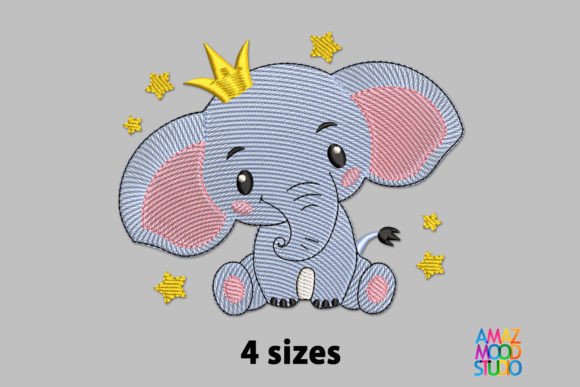
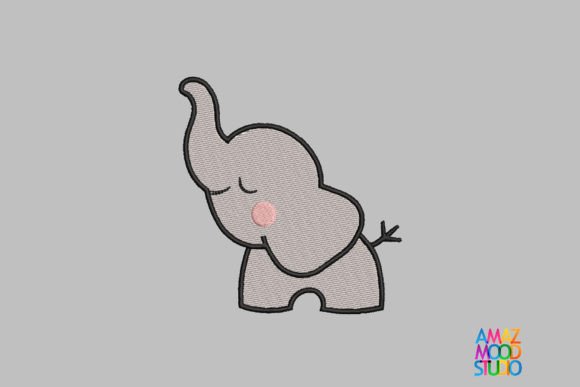
Cute Elephant lands squarely in the sweet spot. Its title signals immediate emotional appeal—soft, gentle, and universally endearing—while “Baby Animals” as its category tells me this isn’t a stylized or abstract interpretation. It’s likely rounded, friendly, and intentionally approachable. That makes it ideal for products where warmth and sincerity matter most: baby blankets, embroidered kitchen towels, personalized sweatshirts for toddlers, and even minimalist tote bags for eco-conscious moms.
A Visual Personality That Sells Online
Cute Elephant reads as playful yet polished—not cartoonish, not overly detailed, and definitely not seasonal. It’s timeless enough for year-round listings but fresh enough to stand out in a crowded Etsy search for “elephant embroidery” or “baby animal stitch.” I’d describe its aesthetic as modern-cute: clean lines, balanced proportions, and a sense of quiet joy rather than loud whimsy.
This matters because online shoppers scroll fast. A design like Cute Elephant works at thumbnail size—it holds shape, reads clearly on fabric, and doesn’t rely on fine detail that blurs in listing photos. That means less editing time, stronger mockups, and more consistent visual branding across your shop.
Where Cute Elephant Shines in Real Product Applications
I’ve already sketched out six new items using Cute Elephant—and none feel forced. Here’s how it naturally extends your handmade product range:
- Tote bag design: Centered on natural canvas or oat linen, it reads as artisanal, not mass-produced. Paired with a subtle tagline (“Carry Joy”), it becomes a boutique-ready staple.
- Sweatshirt embroidery: Small-scale placement on the chest or sleeve keeps it gender-neutral and age-flexible—perfect for unisex babywear or toddler apparel.
- Baby embroidery: On organic cotton receiving blankets or burp cloths, it adds heirloom softness without overwhelming delicate fabric.
- Kitchen towel embroidery: Positioned near the corner or loop, it brings personality to functional home goods—ideal for holiday gifting or wedding registries.
- Embroidered patch: With clean edges and moderate stitch density, Cute Elephant converts beautifully to iron-on or sew-on patches for caps, backpacks, or denim jackets.
- Personalized gift: Add a name or birth date in a simple sans-serif font below the elephant, and you’ve got a ready-to-list custom baby gift—no redesign needed.
How Cute Elephant Strengthens Your Craft Business
This isn’t just another digital embroidery file—it’s a strategic asset. When buyers see Cute Elephant stitched on your finished product, they register three quiet signals: caring attention, thoughtful curation, and professional execution. That perception lifts perceived value, supports higher pricing, and encourages repeat visits to your shop.
It also streamlines your workflow. Because the design is described as “adorable” and “lovely,” I expect balanced fill areas and intentional negative space—meaning less stabilizer fuss, fewer thread breaks, and smoother transitions between fabrics (cotton, terry, fleece, even light knits). That reliability saves hours per batch and reduces rework—especially valuable if you’re stitching small-batch apparel or prepping for craft fairs.
Practical Seller Notes Before You List
Before adding Cute Elephant to your Etsy inventory or boutique order sheet, do these five things:
- Test the machine embroidery design on your most-used fabric—especially if you plan to use it on knit sweatshirts or terry cloth towels. Stitch density and underlay matter more here than on stable wovens.
- Create one physical sample and photograph it in natural light on the actual product (e.g., stitched on a folded kitchen towel, not just a hoop). This informs your listing visuals and helps you choose thread colors that pop without clashing.
- Check readability at 150px width—the approximate size of your design in Etsy search results. If the elephant’s trunk or ear details vanish, consider offering a simplified version or pairing it with a bold border.
- Confirm hoop size and file formats on the Creative Fabrica product page. The description mentions “multiple embroidery file fo”—so verify which formats are included (PES, DST, JEF, etc.) and whether your machine supports them.
- Review the commercial license terms carefully. Creative Fabrica’s licensing varies by designer—even within the Embroidery category. Ensure you’re cleared to sell finished products, not just personal-use items.
Final Thoughts for Etsy Sellers and Creative Entrepreneurs
Cute Elephant isn’t flashy—but that’s exactly why it works. In a market flooded with intricate florals and trendy typography, a well-executed baby animal design like this stands out by being genuinely useful. It layers effortlessly into existing collections, photographs beautifully, and carries emotional weight without demanding attention.
For the Etsy seller building a cohesive brand, it’s a reliable anchor. For the craft business scaling custom apparel or home goods, it’s a low-risk, high-return embroidery file. And for the creative entrepreneur curating printable mockups or social media previews, it adds instant warmth and story—no extra copy needed.
If you’re evaluating Cute Elephant for your next product launch, ask yourself: Does it feel like something someone would proudly give—or keep—for years? Does it look as good stitched on a $24 kitchen towel as it does on a $98 baby blanket? If yes, it’s worth your time, thread, and shelf space.