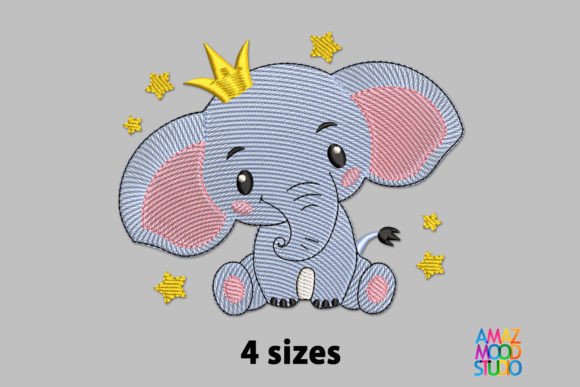
Cute Elephant Boy: A Smart Embroidery Choice for Small Business Brands
First Impression: Friendly, Approachable, and Professionally Playful
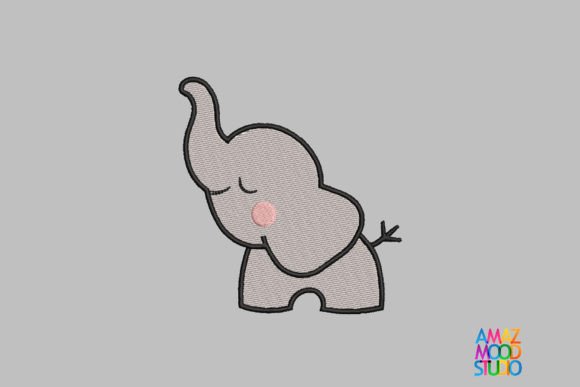
As an embroidery designer who’s developed hundreds of commercial designs for small businesses—from indie bakeries to boutique pet brands—I immediately recognize Cute Elephant Boy as a strong contender for brand-aligned merchandise. The name alone signals warmth and charm without sacrificing polish. It doesn’t feel overly cutesy or juvenile; instead, it strikes a confident balance between playful and professional—ideal for brands that want to convey kindness, care, and creativity. In the Baby Animals category, this design stands out because it avoids cliché while still delivering instant emotional resonance. That matters when your embroidered patch is the first thing a customer notices on a tote bag or apron.
Real-World Performance Across Merchandise Types
Cute Elephant Boy shines in high-visibility, high-frequency business applications. As an embroidered patch, its clean silhouette holds up beautifully at 2–3 inches—perfect for attaching to staff aprons, denim jackets, or reusable shopping bags. On cap embroidery, it reads clearly on the front panel when digitized with balanced stitch density and open negative space—no overcrowding or thread buildup. For custom apparel like work shirts or café uniforms, it works elegantly as a chest accent or sleeve detail, especially when paired with minimalist typography or a simple monogram.
This machine embroidery design also supports subtle branding strategies. A florist might stitch Cute Elephant Boy onto linen gift tags or cotton drawstring pouches. A handmade soap brand could use it as a subtle back-of-label accent on kraft packaging. And for Etsy sellers and craft-based businesses, it adds consistent visual language across small business merch: think embroidered tea towels, baby onesies, or branded bandanas for pet businesses. Its versatility extends to printable mockups—the shape and proportions translate cleanly into digital previews for client approvals or product listings.
Where to Use It Thoughtfully (and Where to Pause)
Like any well-intentioned digital embroidery file, Cute Elephant Boy requires smart adaptation—not just blind application. Avoid using it below 1.5 inches without testing: fine details (like ear contours or trunk definition) may blur on tiny patches or curved cap fronts. On textured fabrics—such as heavy canvas tote bags or looped terry cloth aprons—confirm that stitch density allows for smooth coverage without puckering. Dark uniforms demand careful thread colors: test light neutrals (ivory, soft grey) or contrast-rich options (navy on cream) rather than relying solely on default color palettes.
Also consider longevity. If your finished product will undergo frequent washing—think staff aprons or kids’ boutique items—verify that the design avoids excessive fill stitches or tight satin borders that may degrade over time. And always confirm hoop size compatibility before production: some versions of Cute Elephant Boy may require a 4x4” or larger hoop depending on orientation and scaling. When in doubt, start smaller and scale up only after physical testing.
Brand Identity Impact: More Than Just Cuteness
Small business owners often underestimate how much a single embroidered patch shapes perception. Cute Elephant Boy subtly reinforces trust and approachability—qualities customers associate with thoughtful, human-centered brands. Unlike generic clipart-style animals, this design carries personality and cohesion, helping unify your design assets across physical and digital touchpoints. When stitched consistently on staff caps, tote bags, and product packaging, it strengthens brand identity without shouting. That consistency builds recognition faster than logos alone—especially in local markets where word-of-mouth and visual familiarity drive loyalty.
For handmade product lines, Cute Elephant Boy enhances perceived value. Customers equate quality embroidery with care and intentionality—so even a simple cotton tote feels elevated when finished with precise, well-digitized stitching. It also invites engagement: parents smile at the charm, pet lovers connect emotionally, and gift buyers remember the warmth behind the brand. That emotional resonance translates directly into repeat purchases and organic social sharing—key growth levers for Etsy sellers and creative studios alike.
Practical Designer Notes Before You Stitch
Before committing to bulk production, follow these field-tested steps:
- Test in black and white first—this reveals clarity issues hidden by color, especially in outline definition and spacing between elements.
- Check scalability—run a 2-inch version on scrap fabric matching your final garment (e.g., twill for aprons, cotton poplin for shirts).
- Review thread color contrast against your base fabric—not just on screen. What looks vivid digitally may mute on dark or textured surfaces.
- Inspect spacing and underlay—tight corners or overlapping elements can cause thread breaks or uneven coverage if not stabilized properly.
- Confirm hoop size and format compatibility—since this embroidery file comes with multiple formats, ensure your machine reads the version you select.
- Use appropriate stabilizer—lightweight cutaway for stable wovens, tear-away for knits, and fusible for layered patches.
- Create a physical mockup before client approval—digital previews don’t capture texture, drape, or real-world scale.
- Compare beside existing design assets—does Cute Elephant Boy complement your current logo, fonts, and palette—or compete with them?
- Verify commercial licensing—as a small business using this for resale or branded goods, confirm the commercial embroidery rights are included. (Note: Always review license terms before production.)
When used intentionally, Cute Elephant Boy isn’t just decoration—it’s a strategic, scalable element of your brand’s visual voice. Whether you're launching a new line of eco-friendly baby goods or refreshing your café’s staff uniforms, this Embroidery design delivers charm with credibility. And in today’s market, where authenticity and attention to detail separate thriving small businesses from the background noise—that’s priceless.